 English
 French


You have no items in your shopping cart.

Baby monitors, which are commonly known as baby alarms, are basically radio systems used to listen to the sounds made by babies from where they are. The device has a transmitter unit, set with a microphone which is positioned near to the child. It transmits the sounds with the use of radio waves to a receiver unit that has a microphone carried by or near to the person looking after the baby. With these devices, you do not have to be near the kid even when unnecessary to do so.
Modern monitors of this kind have some two-way communication structure which allows the device to communicate to the young one and then return the communication to the parent or caretaker. Additionally, some devices can play music for the child. It should also be noted that they have a screen with a video-camera and receiver.
Modern monitoring devices can work at night or in places with low light levels. They are able to work under such conditions because they have night vision features equipped with infrared light emitting diodes attached on the front of the camera that allow the user to see the baby in a dark room. This device normally uses wireless systems but can also make use of wires or may function within a household wiring system which is existent such as X10.
Baby monitors are used to help parents when taking care of young ones. Some sense of security is what those who use these devices are assured of. Though that is the case, they are not able to prevent certain medical conditions such as sudden infant death syndrome. Parents are advised to increase their attention of their young ones by acquiring these devices.
Buyer’s Guide
The art of multi-tasking can a bit difficult to handle now that the baby is born. New parents can do their regular chores as long as they are within hearing distance. Most parents are worried about SIDS (Sudden Infant Death Syndrome).
Infants may sometimes sleep on their stomach. This position increases the likelihood of SIDS. Infants can’t control their body movements especially during the first few months. If their breathing is hindered they will have no means of removing the blockage. Monitors play a vital role in maintaining the parent’s peace of mind.
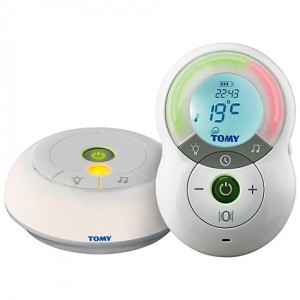
Baby monitors are devices that have radio systems which transmit sounds from a receiver to a speaker. Some monitors have a specific function for parents to speak back to the baby. New monitors now have cameras so that parents will be able to also see what is happening in the nursery even while they are in a different room. Some cameras even have night vision which can automatically turn on at night.
The best thing about monitors is that parents will be able to know the status of their children even when they are doing other chores. Frequency is an important point to consider so that the transmission will not be interrupted. Buying a monitor with the same frequency as the cordless phone can pose a problem due to the interference it may cause in transmission. Some monitors have an auto frequency finder. This can be a good thing during the day but can also be a nuisance during the night. The high pitch sound of the changing frequency might be a hindrance to a good night’s sleep for the parents.
Types of Baby Monitors
Digital Baby Monitors
Monitors can either be analog or digital. Analog monitors use the radio frequency which can be tapped if someone else is listening in to the same range. This means that a neighbor’s monitor may also listen in on the baby. Digital monitors are more private. The audio is converted into data that can make it difficult for other people to pick up the transmission.
Video Baby Monitors
The advancement of the monitor has made it possible for parents to see what is happening in the baby’s room too. Audio monitors are more affordable than baby video monitors. The additional features of optical monitors can be an added assurance for the parent’s peace of mind. This would also minimize any accidents that could happen.
Facts to Consider
Size is another point of consideration. The bulkier the baby monitor the harder it will be for parents to carry it around. Some may even forget about it. This would negate the purpose of supervision. Most of the new models of infant monitors are built for easy handling. They can be easily clipped to the waistband. As long as the parent is within range they will be able to see and hear what is happening in the nursery.
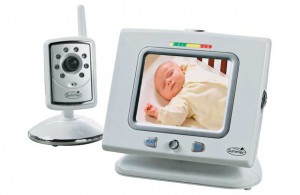
Power outages can be a difficult situation. It is better to choose a baby monitor that has an adapter and can also be battery operated. This would ensure that the monitor would still work even if there are power problems. Some monitors automatically switch to battery mode if there is a power outage. A power adapter can also minimize the use of batteries when not needed. If the monitor is only battery operated it is better if there is a low-battery indicator or alarm so that the parent is notified as soon as possible.
Light indicators are also important especially if the parent is doing activities that would require a lot of background noise like vacuuming or doing the laundry. The audio from the baby monitor may not be heard. Light indicators would point out that there is something wrong with the monitor or with the baby. The indicator would light up if it picks up the lightest noise. If the parent will be out of range the indicator would light up as well.
Baby Monitor Range
Range is an important factor. Wide ranged monitors can be counterproductive if the apartment is small. Other radio frequencies that are close by can interfere with the transmission. Choose the monitor that matches the proportions of the house.
Multiple receivers can be an added because a parent can leave one to a room that is mostly occupied and the other one can be easily carried. Some brands have an option of selling additional receivers at a cost. Multi-transmitters are good for parents who have 2 or more children. But this may have a negative effect as well. The transmitters close in range might interfere with each other.
Some monitors have motion detectors that are placed beneath the blanket. It can send out an alert to the parent if the baby hasn’t moved for quite some time. This can be an essential feature for parents who worry too much. The movements of the child can ease some of the parent’s worries.
Baby Monitor Price
Baby Monitors’ price range differs if it’s audio-only or if it includes optic functions. Audio-only prices start at $35 and up. If the parents are budget conscious, audio only would be the best choice. However, do choose the ones that minimize white noise. Clarity is very important for audio because the sound will be the only means of the baby’s communication to their parent.
Decreased interference is a good feature for audio infant monitors.
Optical monitors are more expensive because of the added video capability. New moms usually choose this monitor because it lessens the stress that the mom feels when they are away from their baby. They can constantly monitor their baby while they are doing other things. Optical monitor prices start at $100 and up. Additional features like night vision can jack up the price too.
Although baby monitors may not protect the baby 100%, this is a valuable tool for parents to use in multi-tasking. The constant worries the parents experience while going through daily chores can be frustrating. The need to be with the baby every minute of the day can be very difficult to ignore especially for new moms. However, giving birth doesn’t mean that the chores don’t need to be taken care of. It is a challenge that new mom’s face each day to balance caring for their babies and running the household.
Baby monitors, which are commonly known as baby alarms, are basically radio systems used to listen to the sounds made by babies from where they are. The device has a transmitter unit, set with a microphone which is positioned near to the child. It transmits the sounds with the use of radio waves to a receiver unit that has a microphone carried by or near to the person looking after the baby. With these devices, you do not have to be near the kid even when unnecessary to do so.
Modern monitors of this kind have some two-way communication structure which allows the device to communicate to the young one and then return the communication to the parent or caretaker. Additionally, some devices can play music for the child. It should also be noted that they have a screen with a video-camera and receiver.
Modern monitoring devices can work at night or in places with low light levels. They are able to work under such conditions because they have night vision features equipped with infrared light emitting diodes attached on the front of the camera that allow the user to see the baby in a dark room. This device normally uses wireless systems but can also make use of wires or may function within a household wiring system which is existent such as X10.
Baby monitors are used to help parents when taking care of young ones. Some sense of security is what those who use these devices are assured of. Though that is the case, they are not able to prevent certain medical conditions such as sudden infant death syndrome. Parents are advised to increase their attention of their young ones by acquiring these devices.
Buyer’s Guide
The art of multi-tasking can a bit difficult to handle now that the baby is born. New parents can do their regular chores as long as they are within hearing distance. Most parents are worried about SIDS (Sudden Infant Death Syndrome).
Infants may sometimes sleep on their stomach. This position increases the likelihood of SIDS. Infants can’t control their body movements especially during the first few months. If their breathing is hindered they will have no means of removing the blockage. Monitors play a vital role in maintaining the parent’s peace of mind.
Baby monitors are devices that have radio systems which transmit sounds from a receiver to a speaker. Some monitors have a specific function for parents to speak back to the baby. New monitors now have cameras so that parents will be able to also see what is happening in the nursery even while they are in a different room. Some cameras even have night vision which can automatically turn on at night.
The best thing about monitors is that parents will be able to know the status of their children even when they are doing other chores. Frequency is an important point to consider so that the transmission will not be interrupted. Buying a monitor with the same frequency as the cordless phone can pose a problem due to the interference it may cause in transmission. Some monitors have an auto frequency finder. This can be a good thing during the day but can also be a nuisance during the night. The high pitch sound of the changing frequency might be a hindrance to a good night’s sleep for the parents.
Types of Baby Monitors
Digital Baby Monitors
Monitors can either be analog or digital. Analog monitors use the radio frequency which can be tapped if someone else is listening in to the same range. This means that a neighbor’s monitor may also listen in on the baby. Digital monitors are more private. The audio is converted into data that can make it difficult for other people to pick up the transmission.
Video Baby Monitors
The advancement of the monitor has made it possible for parents to see what is happening in the baby’s room too. Audio monitors are more affordable than baby video monitors. The additional features of optical monitors can be an added assurance for the parent’s peace of mind. This would also minimize any accidents that could happen.
Facts to Consider
Size is another point of consideration. The bulkier the baby monitor the harder it will be for parents to carry it around. Some may even forget about it. This would negate the purpose of supervision. Most of the new models of infant monitors are built for easy handling. They can be easily clipped to the waistband. As long as the parent is within range they will be able to see and hear what is happening in the nursery.
Power outages can be a difficult situation. It is better to choose a baby monitor that has an adapter and can also be battery operated. This would ensure that the monitor would still work even if there are power problems. Some monitors automatically switch to battery mode if there is a power outage. A power adapter can also minimize the use of batteries when not needed. If the monitor is only battery operated it is better if there is a low-battery indicator or alarm so that the parent is notified as soon as possible.
Light indicators are also important especially if the parent is doing activities that would require a lot of background noise like vacuuming or doing the laundry. The audio from the baby monitor may not be heard. Light indicators would point out that there is something wrong with the monitor or with the baby. The indicator would light up if it picks up the lightest noise. If the parent will be out of range the indicator would light up as well.
Baby Monitor Range
Range is an important factor. Wide ranged monitors can be counterproductive if the apartment is small. Other radio frequencies that are close by can interfere with the transmission. Choose the monitor that matches the proportions of the house.
Multiple receivers can be an added because a parent can leave one to a room that is mostly occupied and the other one can be easily carried. Some brands have an option of selling additional receivers at a cost. Multi-transmitters are good for parents who have 2 or more children. But this may have a negative effect as well. The transmitters close in range might interfere with each other.
Some monitors have motion detectors that are placed beneath the blanket. It can send out an alert to the parent if the baby hasn’t moved for quite some time. This can be an essential feature for parents who worry too much. The movements of the child can ease some of the parent’s worries.
Baby Monitor Price
Baby Monitors’ price range differs if it’s audio-only or if it includes optic functions. Audio-only prices start at $35 and up. If the parents are budget conscious, audio only would be the best choice. However, do choose the ones that minimize white noise. Clarity is very important for audio because the sound will be the only means of the baby’s communication to their parent.
Decreased interference is a good feature for audio infant monitors.
Optical monitors are more expensive because of the added video capability. New moms usually choose this monitor because it lessens the stress that the mom feels when they are away from their baby. They can constantly monitor their baby while they are doing other things. Optical monitor prices start at $100 and up. Additional features like night vision can jack up the price too.
Although baby monitors may not protect the baby 100%, this is a valuable tool for parents to use in multi-tasking. The constant worries the parents experience while going through daily chores can be frustrating. The need to be with the baby every minute of the day can be very difficult to ignore especially for new moms. However, giving birth doesn’t mean that the chores don’t need to be taken care of. It is a challenge that new mom’s face each day to balance caring for their babies and running the household.
Recent Posts


Newer Post →